Making your own skincare is rewarding, but the ingredient list can be confusing. This beginner’s guide explains what common cosmetic ingredients do and how to use them safely.
- Butters and oils form the base of most creams, balms and soaps.
- Anything containing water needs a proper preservative.
- Essential oils are strong. Always dilute and patch test.
- Use cosmetic-grade ingredients and follow the supplier’s guidance.
Butters
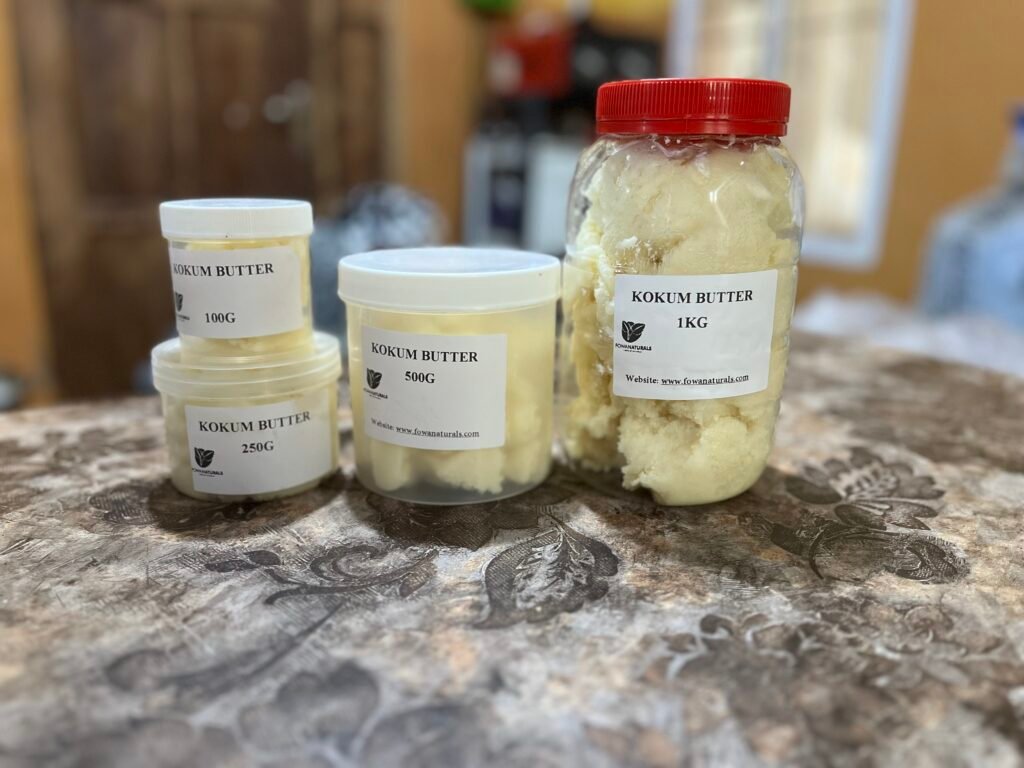
Butters such as kokum and shea are solid at room temperature and melt on the skin. Kokum butter is firm and less greasy, so it is popular in lip balms, soaps and solid bars. Shea is softer and creamier.
Carrier oils
Oils like papaya seed oil, jojoba oil and castor oil carry other ingredients and moisturise on their own. Castor oil is thick and sticky, so it is usually blended with a lighter oil. Choose cosmetic grade for use on the skin and hair.
Thickeners and powders
- Stearic acid: a thickener that helps creams and soaps become firm and stable.
- Arrowroot powder (cosmetic grade): a soft, silky powder used in dry shampoos, body powders and to reduce stickiness.
Jojoba beads
Small, smooth beads made from jojoba wax, used as a gentle exfoliant in scrubs and soaps. They come in several colours, so they also make products look attractive.
Preservatives
Any recipe that contains water, such as lotions and creams, needs a preservative to prevent mould and bacteria. A broad-spectrum preservative like Germall Plus is used in small amounts. Always follow the supplier’s recommended usage rate. Never skip preservation in water-based products.
Essential oils
Cypress, neroli and juniper berry essential oils add scent. They are very concentrated. Always dilute them in a carrier oil or product base, patch test on a small area of skin, keep them away from eyes, children and pets, and do not swallow them. Some should be avoided in pregnancy, so check before using.
Hair-washing tradition: reetha
Areetha (reetha, or soapnut) powder makes a mild lather with water and has long been used as a traditional natural cleanser for hair. Mix with warm water, keep it away from eyes, and rinse well.
Starting simple
Begin with a single-purpose recipe such as a lip balm or a body scrub, weigh your ingredients with a kitchen scale, and keep notes. Use clean, dry tools and containers.
Ingredients mentioned in this guide
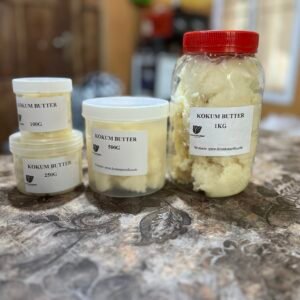
Kokum Butter (Cosmetic Grade)
From ₦3,000
100g to 1kg
Choose size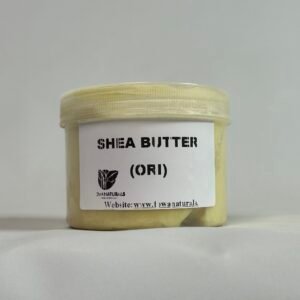
Shea Butter (Cosmetic Grade)
From ₦2,500
100g to 1kg
Choose size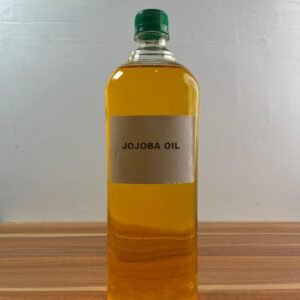
Jojoba Oil (Cosmetic Grade)
From ₦5,000
100ml to Litre
Choose size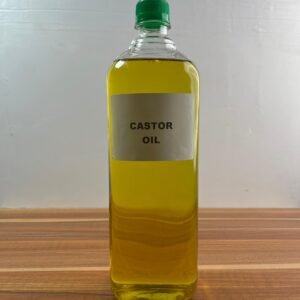
Castor Oil
From ₦3,000
100ml to 5Litres
Choose size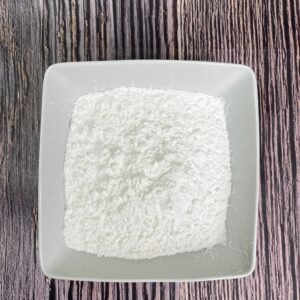
Arrowroot Powder (Cosmetic Grade)
From ₦1,300
Choose size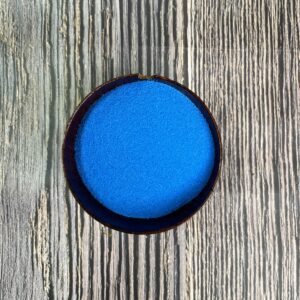
Jojoba Beads (Blue)
From ₦7,500
100g to 1kg
Choose size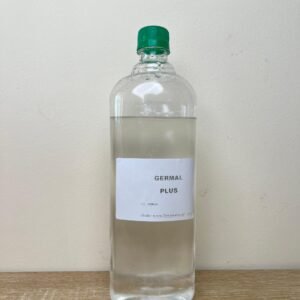
Germall Plus (Cosmetic)
From ₦5,000
100g to 1kg
Choose size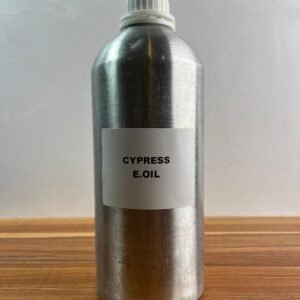
Cypress Essential Oil
From ₦3,500
15ml to Litre
Choose size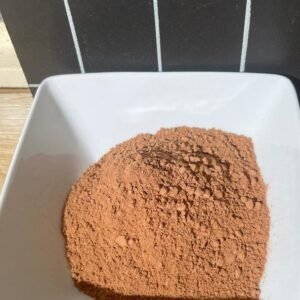
Areetha/Reetha Powder
From ₦3,500
100g to 1kg
Choose sizeFrequently asked questions
Do I need a preservative?
If your product contains water, yes. Oil-only and butter-only products without water are lower risk but should still be kept clean and dry.
Is it safe to use essential oils on skin?
Only when diluted properly and patch tested. Follow the supplier’s guidance and avoid use around eyes.
What does cosmetic grade mean?
It means the ingredient is intended for use in skin and hair products. Use the grade stated on the product page.
Please note: this guide is for general information. Test any new product on a small area of skin first and stop if irritation occurs. If you have skin conditions or allergies, speak to a professional.