Note: the earlier version of this post carried the same short summary as Herbal vs. Tinctures: What’s Right for You?. This version is written to match its title.
Energy and calm come first from everyday habits. Herbs can be a pleasant part of a routine, but they work best alongside the basics.
- Sleep, food, water and movement do the heavy lifting for energy and stress.
- A warm cup of tea can be a calming ritual in itself.
- Green tea and matcha contain caffeine. Chamomile, lemon balm and linden are caffeine-free.
- Ongoing tiredness or stress deserves a conversation with a health professional.
Start with the basics
Regular sleep, balanced meals, enough water and some daily movement make the biggest difference to how energetic and calm you feel. Herbs can sit on top of these, not replace them.
For a gentle lift
- Green tea and matcha: contain caffeine with a naturally occurring amino acid called L-theanine. Many people find the lift smoother than coffee. Have it earlier in the day.
- Ginger tea: warm and fresh, a pleasant alternative to a second coffee.
- Moringa: a mild green powder you can blend into smoothies.
For winding down
- Chamomile: a classic evening tea.
- Lemon balm: light and citrusy, traditionally used for relaxing drinks.
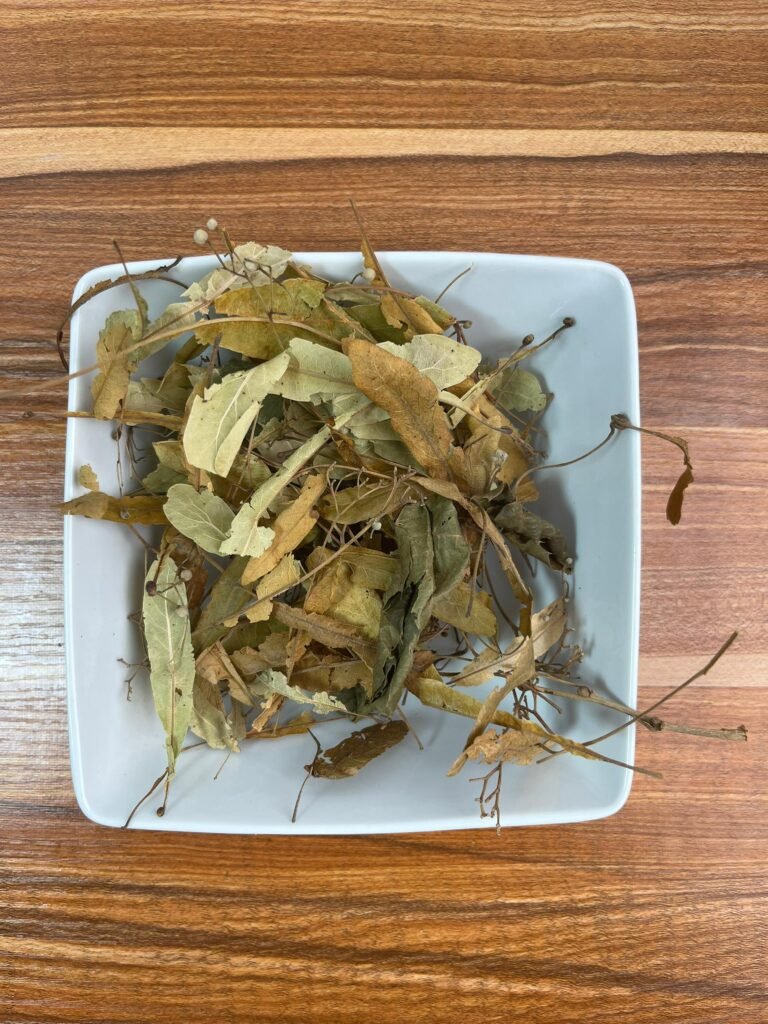
- Linden leaf: soft and slightly sweet, popular in evening blends.
Ashwagandha
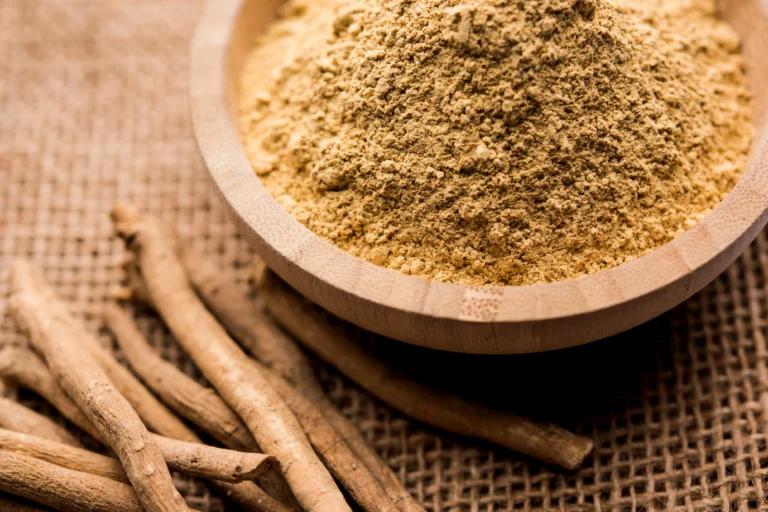
Ashwagandha is an Ayurvedic root often described as an adaptogen and commonly taken in warm milk in the evening. Evidence in people is still developing. It is not recommended in pregnancy, and anyone on regular medicines should check first.
A simple evening ritual
Steep a teaspoon of chamomile or lemon balm in hot water for 5 to 10 minutes with a lid on, sip slowly, and keep screens away for the first few minutes. The routine helps as much as the herb does.
Products mentioned in this article

Matcha Green Powder
From ₦6,500
100g to 1kg
Choose size
Green Tea Leaf
From ₦3,000
100g to 1kg
Choose size
Chamomile Buds
From ₦5,500
100g to 10kg
Choose size
Lemon Balm Herb
From ₦7,000
100g to 1kg
Choose size
Linden Leaf Herb
From ₦7,000
100g to 1kg
Choose size
Ashwagandha Powder
From ₦5,000
Choose sizeFrequently asked questions
Which herbs have caffeine?
Green tea and matcha do. Chamomile, lemon balm, linden and ginger do not.
How much tea is too much?
A few cups a day is common. If you are sensitive to caffeine, choose the caffeine-free options and avoid drinking caffeine late in the day.
When should I see a professional?
If you feel tired or stressed for weeks, or it affects your daily life, speak to a doctor. Herbs are not a substitute for care.
Please note: this article is for general information and is not medical advice. If you are pregnant, nursing, taking medicines or have a medical condition, speak to a qualified healthcare professional before using herbs or supplements.